Gas Vs Electric Continuous Flow Hot Water Systems: Which Suits Your Home?
For Forster homeowners considering continuous flow hot water, the main installation question is whether the property can support the unit’s energy requirements. Gas models need a suitable gas supply, pressure and compliant appliance location, while electric continuous flow units can place substantial demand on a home’s electrical system and may require dedicated circuits or switchboard upgrades.
The Key Installation Differences Between Gas and Electric Continuous Flow
Gas and electric continuous flow units both heat water as it is needed, but the infrastructure required to install them differs significantly.
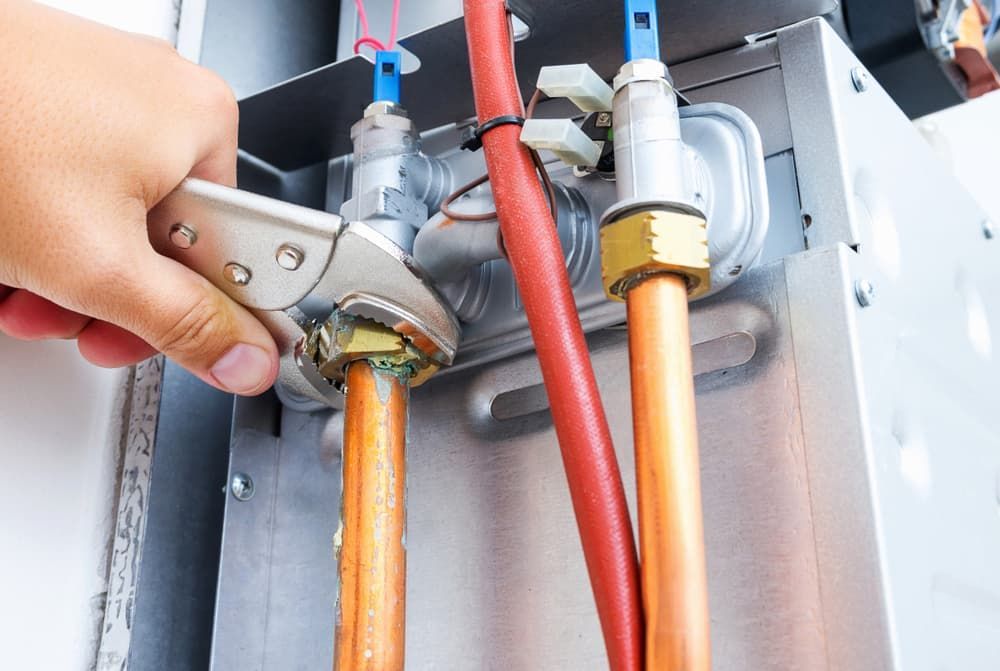
A gas continuous flow hot water system requires a suitable gas connection, adequate gas supply to the appliance and an installation location that meets relevant gasfitting and ventilation or flue requirements. A licensed gasfitter needs to assess the existing gas installation rather than assuming an old connection or pipework will automatically suit a new unit.
An electric continuous flow hot water system has a different challenge. These units draw a high electrical load while operating, so installation can require a dedicated electrical circuit, suitable cabling and sufficient switchboard capacity. A licensed electrician must assess and complete this electrical work.
Homeowners comparing
gas vs electric continuous flow systems should therefore start with the infrastructure already available at the property. An existing gas connection can make a gas unit a practical installation option, while an all-electric home may be better positioned to investigate an electric model, subject to an electrician confirming the electrical system can support it.
What a Gas Continuous Flow Hot Water System Needs
Installing a gas continuous flow hot water system involves more than mounting the new appliance and connecting the water pipes. The gas side of the property needs to be assessed as part of the job.
A licensed gasfitter will consider factors such as:
- Whether the property already has a suitable gas connection
- The existing gas pipework and its ability to supply the appliance
- Gas pressure under the required operating conditions
- The proposed appliance position
- Ventilation and flue requirements relevant to the model and location
- Compliance of the installation with applicable requirements
This becomes particularly important when replacing an older gas appliance. Existing infrastructure may be present, but that does not necessarily mean it suits the requirements of the replacement continuous flow unit.
For example, a Forster homeowner may already have gas connected for cooking and want to add continuous flow gas hot water. The existing connection is a useful starting point, but a gasfitter still needs to establish whether the gas installation can adequately serve both appliances before proceeding.
Gas Supply, Pressure and Flue Placement
Gas supply and gas pressure directly affect whether a gas appliance can operate as intended. The assessment needs to consider the complete installation rather than simply checking whether gas reaches the property.
Pipework that was suitable for an existing appliance may need changes when a different appliance is installed. Foreshore Plumbers explains this topic further in Understanding Gas Pressure & Why It Matters For Forster Homes.
Appliance placement also matters. Depending on the particular continuous flow model and where it is installed, the gasfitter needs to account for combustion air, ventilation, flue arrangements and the relationship between the appliance and surrounding building features.
There is no useful one-size-fits-all clearance figure for homeowners to work from. Requirements depend on the appliance and installation, so the proposed location should be assessed by a licensed gasfitter before the installation is finalised.
These considerations are part of the broader gasfitting requirements around a home. Homeowners who need gas appliance work can speak with experienced
gas fitters Forster residents can call for local gasfitting services.
Electric Continuous Flow Installation Requirements
Electric continuous flow installation requirements centre on the electrical load the appliance places on the home.
Because the unit heats water immediately rather than maintaining heated water in a tank, it can require substantial electrical capacity while operating. Depending on the selected unit and the property, installation may involve a dedicated electrical circuit, electrical cabling changes or work at the switchboard.
A licensed electrician must assess whether the existing electrical installation can safely support the proposed unit and complete any required electrical work. This is especially important before committing to an electric continuous flow model in a home where the switchboard or electrical infrastructure has not been upgraded for some time.
For homeowners considering electric continuous flow, it’s important to have a licensed electrician assess whether the property’s electrical system can support the unit and complete any required electrical work. At Foreshore Plumbers, our continuous flow installation services focus on gas systems.
Switchboard and Circuit Capacity in Older Homes
Older homes can present additional challenges for electric continuous flow installations because their electrical systems may have been designed around much lower household demand.
A switchboard may require upgrading before it can accommodate the additional load, and a suitable dedicated electrical circuit may need to be installed. The condition and capacity of existing cabling and the broader electrical installation also need professional assessment.
For example, consider an older Forster property that has remained largely unchanged electrically for decades. Even if an electric continuous flow unit appears physically easy to position, an electrician may determine that substantial electrical work is necessary before the appliance can be connected.
That makes switchboard capacity an important early check. Homeowners can avoid planning an installation around an unsuitable electrical setup by arranging the assessment before selecting the final installation location or unit.
Which Property Setup Suits Each System?
From an installation perspective, gas continuous flow generally makes the most sense to investigate where a home already has a suitable gas connection and the existing gas infrastructure can support the proposed appliance.
A property with existing gas appliances may already have some of the necessary infrastructure, although the gas supply, pipework and proposed appliance location still need assessment by a licensed gasfitter. An existing gas connection alone does not confirm that a new continuous flow unit can simply be connected without alterations.
An all-electric home has a different starting point. Homeowners may consider electric continuous flow where there is no existing gas connection, but they should first have a licensed electrician confirm that the switchboard, circuits and electrical supply are suitable for the appliance.
The key point is to match the installation to the infrastructure of the property. This article focuses specifically on continuous flow installation requirements; homeowners looking for a broader overview can also read Choosing the Right Hot Water System for Your Forster Home.
Gas installations should also be considered as part of the property's wider gasfitting setup. For information relevant to property sales, see
Why Gas Fitting Inspections Are Essential Before Selling Your Home.
Getting a Gas Continuous Flow System Installed in Forster
For a gas continuous flow installation, a licensed gasfitter should assess the property before confirming what work is required. This assessment can identify whether the existing gas supply and pipework are suitable and whether the proposed appliance location meets the relevant installation requirements.
According to industry best practice, assessing these factors upfront is preferable to assuming an existing gas connection will support a replacement or new appliance. It gives the gasfitter a clear picture of any alterations required for a compliant installation.
Foreshore Plumbers has serviced Forster–Tuncurry since 1984, with more than 40 years of local experience. Our team installs continuous flow gas systems, including brands such as Rheem, Rinnai, Dux and Aquamax, and our gasfitters are accredited installers. Foreshore Plumbers is a licensed plumber (Lic. No. 12117) servicing Forster, Tuncurry, Hallidays Point, Smiths Lake and Nabiac.
The practical takeaway is straightforward: existing gas infrastructure can favour a gas continuous flow installation, while an all-electric property may be better placed to investigate an electric unit if its electrical system has sufficient capacity. In either case, the property's infrastructure needs professional assessment before installation proceeds.
Get in Touch
If you are considering continuous flow gas hot water in Forster or the surrounding area, contact the Foreshore Plumbers team on 0419 484 273. We can assess your existing gas setup, explain what the installation requires and complete compliant gas continuous flow installation work.
Frequently Asked Questions
Can a continuous flow gas system use my existing gas connection?
Potentially, but an existing gas connection does not automatically mean the installation is suitable. A licensed gasfitter should assess the gas supply, pipework, pressure and proposed appliance requirements before confirming the installation.
Does electric continuous flow hot water need a dedicated electrical circuit?
It may require one because electric continuous flow units can place a high load on the electrical system. A licensed electrician should assess the selected appliance and property and determine what circuit, cabling or switchboard work is required.
Can an older switchboard support electric continuous flow hot water?
Not always. Older switchboards and electrical infrastructure may lack the capacity needed for the additional load, so an electrician may recommend upgrades before an electric continuous flow unit can be installed.
Does a gas continuous flow system need a flue?
Flue and ventilation requirements depend on the appliance type and its installation location. A licensed gasfitter needs to assess the specific unit and proposed position against the applicable requirements.
Is gas continuous flow suitable for a home that already has gas?
An existing gas connection can make gas continuous flow a practical option to investigate, but the existing infrastructure still needs assessment. The gasfitter must confirm that the supply, pipework and installation location suit the new appliance.
Who should install continuous flow hot water systems?
Gas installation work must be handled by an appropriately licensed gasfitter. For electric continuous flow, electrical work such as dedicated circuits and switchboard upgrades must be assessed and completed by a licensed electrician.