The Hidden Dangers Of Attempting Gas Repairs At Home In Forster

Foreshore Plumbers Forster-Tuncurry • August 25, 2026
Divider Icon

DIY gas repairs are illegal in NSW for anyone without a gas fitting licence, and that's actually the smaller problem. The bigger risk is what happens afterwards: a voided insurance claim, a void appliance warranty, and no Certificate of Compliance to show a buyer, an insurer, or a tenant when it matters. If you've got a hissing fitting, a heater that won't light, or a whiff of gas around the house, here's what Forster and Tuncurry homeowners need to know before touching anything.

The Short Answer, DIY Gas Repairs Are Illegal in NSW

Gas fitting work must be carried out by a licensed gas fitter, full stop. It's not a grey area, and it's enforced the same way electrical work is. But the legal side is only half the story. The real cost to Forster homeowners isn't a fine, it's the paperwork trail that disappears the moment an unlicensed person touches a gas fitting. No Certificate of Compliance means no proof the work was done to standard, which gives insurers, buyers, and warranty providers grounds to walk away from a claim.

Is It Illegal to Do Your Own Gas Work in NSW?

Yes. Any gas fitting work, including connecting, altering, repairing, or servicing a gas appliance or the pipework feeding it, must be performed by a licensed gas fitter, and it must comply with AS/NZS 5601, the Australian and New Zealand standard for gas installations. A licensed gas fitter is trained and assessed specifically on pressure testing, leak detection, appliance conversion, and correct materials under AS/NZS 5601. A homeowner, even a capable one who's happy to tile a bathroom or replace a tap washer, doesn't have the equipment or the legal standing to certify that work as compliant. Only a licensed gas fitter can issue the Certificate of Compliance once the job's done, and it's this document, not the fix itself, that tends to cause the real headache down the track.

What Can You Legally Do Yourself, and Where Does the Line Sit on LPG Bottles?

A large share of homes in the Forster-Tuncurry area run on LPG cylinders rather than reticulated natural gas. The good news: swapping an exchange cylinder is one of the few genuinely DIY-safe gas tasks, provided the existing installation is compliant and correctly fitted.


You can legally:


  • Swap an exchange LPG cylinder on a correctly installed, compliant regulator and hose
  • Check the cylinder's test date and inspect it for obvious damage before connecting


You cannot legally:


  • Alter, repair, or replace a regulator or pigtail
  • Work on fixed copper gas runs
  • Convert an appliance from natural gas to LPG or vice versa
  • Do anything downstream of the isolation valve


Swapping the bottle is fine. Touching anything else in the gas train isn't. This is the single most useful distinction for anyone on bottled gas in this area, because it's the part most homeowners genuinely aren't sure about. If a regulator looks corroded, a pigtail feels stiff or cracked, or a connection hisses when you open the valve, that's a call to a licensed gas fitter, not a job for a spanner from the shed.

Will DIY Gas Work Void Your Home Insurance or Appliance Warranty?

In most cases, yes. Insurers typically require gas work to have been carried out by a licensed gas fitter and backed by a valid Certificate of Compliance. If a fire, leak, or appliance failure is later traced to unlicensed work, insurers commonly have grounds to deny the claim entirely. Manufacturers apply the same logic: a gas appliance repaired outside compliance requirements can have its warranty voided the moment unlicensed work is identified, even if unrelated to the fault. This is exactly the same paperwork that trips people up at sale time, and we cover it in detail in our guide to gas fitting inspections before selling your home.

Why Forster and Tuncurry Homes Need Gas Fittings Checked More Often

Coastal properties age their gas fittings faster than inland homes. Salt-laden air accelerates corrosion on external regulators, pigtails, and fittings, the exact components most local LPG installations rely on, since they typically sit outside on an exterior wall or in a cylinder cage. A connection that tested fine last summer can be quietly weeping gas by the following season. There's also a seasonal pattern worth flagging: holiday-let properties left unused for months, then fired up for a summer booking. Landlords and hosts carry a duty of care here, and documented compliance is the paper trail that protects them. Booking gas appliance checks alongside your regular plumbing maintenance is the simplest way to catch a corroding fitting before it becomes a leak.

I Can Smell Gas Right Now, What Should I Do First?

  1. Don't touch switches or ignition sources.
  2. Turn off the gas at the cylinder or meter if safe to do so.
  3. Ventilate by opening doors and windows.
  4. Get everyone out, including pets.
  5. Call the gas emergency line, then a licensed gas fitter.


Don't try to locate or fix the leak yourself, even if you think you know which fitting is responsible. Leak testing requires specific equipment to confirm a repair is genuinely safe.

What a Licensed Gas Fitter Actually Does

A licensed gas fitter's visit typically includes a pressure and leak test, a visual inspection of regulators, pigtails, and copper runs for corrosion or wear, and confirmation the installation meets AS/NZS 5601 before anything is signed off. Once complete, they issue a Certificate of Compliance, the formal record an insurer will ask for after a claim, a conveyancer will request during a property sale, and a manufacturer will want to see if a warranty is ever called on. Not every gas job is a big bill either: a straightforward leak test or routine heater service is typically a small, fixed-scope visit, and a scheduled service visit is consistently cheaper than an emergency call-out, let alone a damaged appliance, a voided warranty or a declined claim. Gas-fired Hot Water Systems are one of the most common places we find non-compliant DIY work, often from a well-meaning attempt to save a callout fee that ends up costing far more.


Before you pick up a spanner, it's worth knowing that all licensed gas fitting in Forster must be carried out by a ticketed gas fitter and certified on completion. Foreshore Plumbers has operated across Forster-Tuncurry since 1984, and our licensed local team deals with coastal corrosion, LPG installations, and holiday-let compliance every season.


If something around your gas system doesn't feel right, whether it's a smell that shouldn't be there or a fitting that looks corroded, it's worth a licensed check before it becomes a bigger problem. Get in touch with Foreshore Plumbers for a licensed gas fitting inspection across Forster, Tuncurry, and the Mid North Coast.

Frequently Asked Questions

  • Is it illegal to do your own gas work in NSW?

    Yes. Gas fitting work must be carried out by a licensed gas fitter and comply with AS/NZS 5601. A homeowner cannot legally perform or self-certify gas repairs.

  • Can I change my own LPG gas bottle?

    Yes, swapping an exchange cylinder on a compliant regulator and hose is fine. Anything beyond the isolation point requires a licensed gas fitter.

  • Will my home insurance be voided by DIY gas work?

    Often, yes. Most insurers require a valid Certificate of Compliance, and a claim linked to unlicensed work can be denied on that basis alone.

  • What is a gas Certificate of Compliance and do I need one?

    It's the document a licensed gas fitter issues confirming the work meets AS/NZS 5601. You'll need it for insurance, warranty, and property sale purposes.


  • How much does a licensed gas fitter cost to look at a gas leak?

    It varies, but a straightforward leak test or inspection is typically a small, fixed-scope visit, far cheaper than a damaged appliance or declined claim.

  • What should I do right now if I can smell gas?

    Avoid ignition sources, turn off the gas if safe, ventilate, get everyone outside, and call the gas emergency line and a licensed gas fitter.

Plumber Fixing Issues with Hot Water Systems
By Foreshore Plumbers Forster-Tuncurry May 25, 2026
Learn the signs of hot water system problems in Forster and avoid costly breakdowns. Book a professional inspection today.
Hot Water Systems In Forster
By Foreshore Plumbers Forster-Tuncurry April 13, 2026
Learn how sediment build-up affects hot water systems in Forster and impacts performance. Get expert help and book a service today.
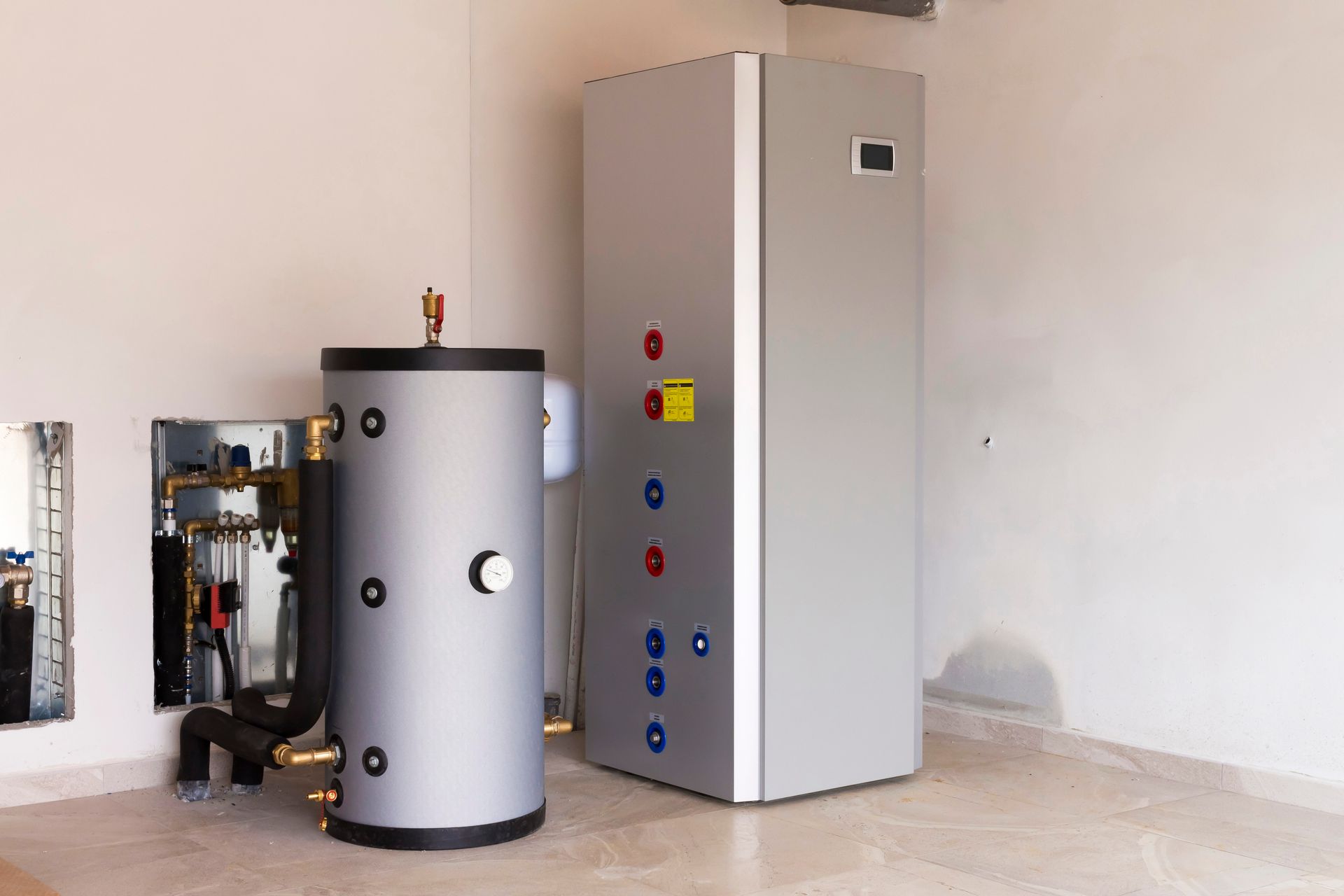
Silver Hot Water System in Empty Room
By Foreshore Plumbers Forster-Tuncurry March 24, 2026
Learn why regular flushing improves efficiency extends lifespan and prevents issues for hot water systems in Forster. Schedule expert service today.
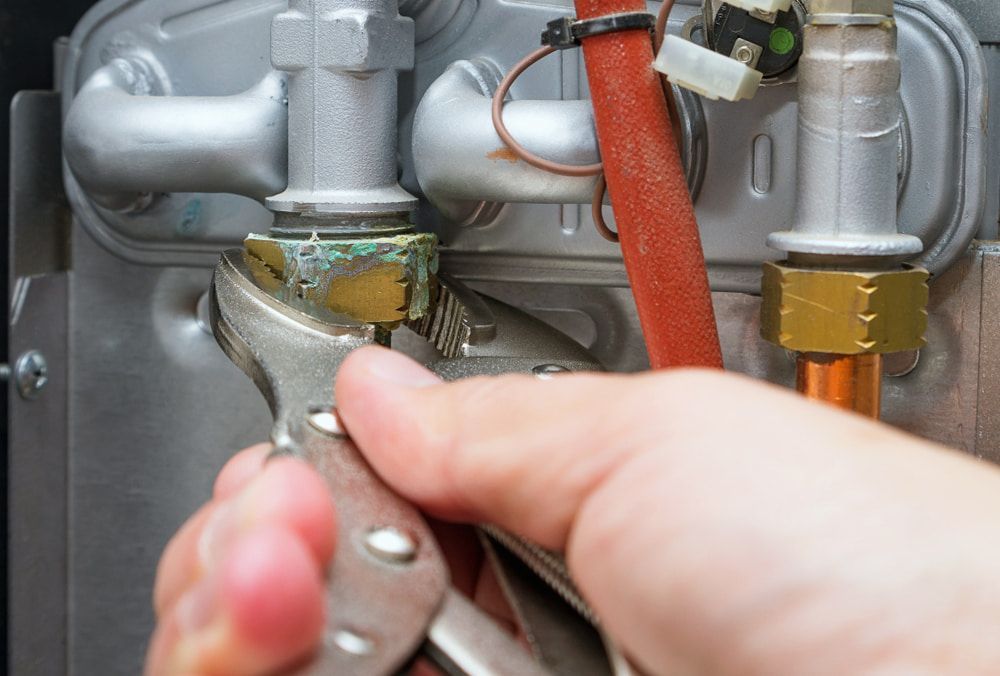
An Ongoing Gas Fitting Service In Forster
By Foreshore Plumbers Forster-Tuncurry March 19, 2026
Ensure safe and efficient gas systems with expert advice on pressure issues. Contact a trusted gas fitter in Forster today.
Two Men Are Measuring a Shower Head with a Level
By Foreshore Plumbers Forster-Tuncurry November 19, 2025
Learn how to choose hot water systems in Forster based on energy use, household size and budget. Compare options and pick the right system today.
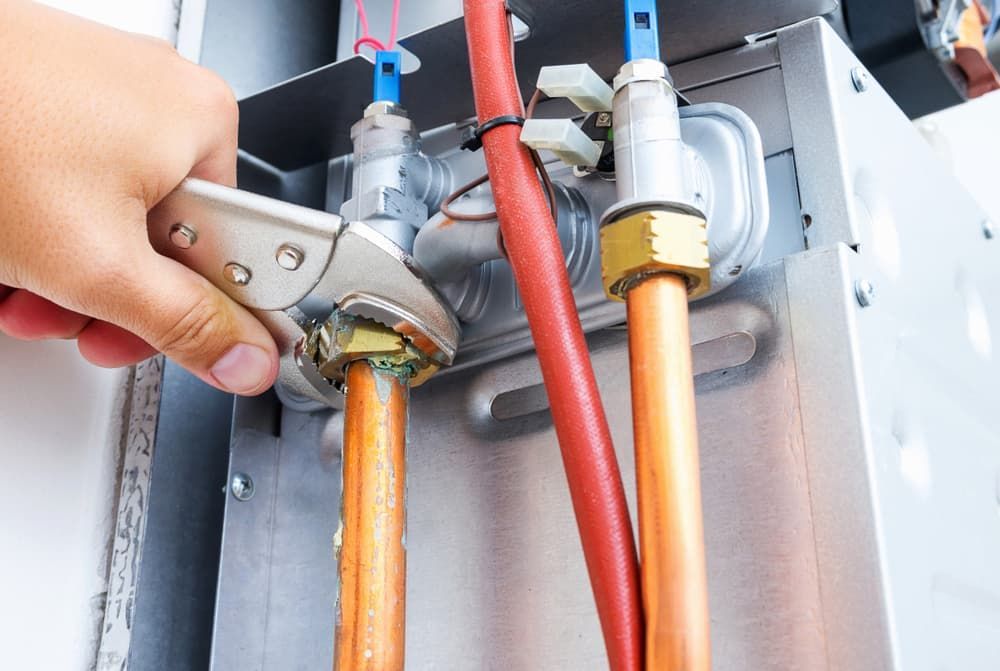
Close-up of a Hand Using a Wrench to Tighten a Connection on Copper Pipes
By Foreshore Plumbers Forster-Tuncurry October 1, 2025
Ensure your sale goes smoothly with a gas fitter in Forster inspection to catch leaks and meet standards — book your inspection now.
A Plumber Fixing a Pipe
By Foreshore Plumbers Forster-Tuncurry August 27, 2025
Ensure your system runs smoothly with plumbers Forster. Learn why regular plumbing maintenance prevents costly issues and book reliable service today.
Bathroom with Sink
By Foreshore Plumbers August 13, 2025
Discover what causes bathroom drain odours—from dry traps blocked vents to bacterial buildup. Fix it fast. Read more today.
A hand is reaching out to turn on a gas canister.
By Foreshore Plumbers Forster-Tuncurry August 4, 2025
Smell gas or hear hissing near your stove or hot water system? Learn the signs of a gas leak, dangers of ignoring them, and when to call a professional.
plumber in Forster adjusting a valve on a residential hot water pipe
By Foreshore Plumbers Forster-Tuncurry July 31, 2025
Weighing up solar vs gas hot water systems? Foreshore Plumbers Forster-Tuncurry breaks down the pros and cons. Read on to make the right choice for you.
Show More