Understanding Gas Pressure & Why It Matters for Forster Homes
Gas appliances play an important role in many households. From cooking meals to heating water and warming living spaces, gas systems are designed to deliver reliable energy when pressure levels are correct and equipment is properly maintained. However, gas pressure is something most homeowners rarely think about until a problem appears.
For properties using gas appliances, understanding how pressure works can help explain issues such as weak flames, slow heating or unexpected appliance behaviour. In coastal communities, environmental conditions and property layouts can also influence how gas systems perform over time.
If you rely on a
gas fitter in Forster, knowing the basics of gas pressure, how it affects appliance performance and when testing is needed can help you maintain a safer and more reliable home energy system.
What Gas Pressure Means in a Household System
Gas pressure refers to the force that pushes gas through pipes from the supply point to appliances inside a home or business. This pressure must stay within a specific range, so appliances receive the correct amount of fuel.
Gas appliances such as cooktops, heaters, and hot water systems are designed to operate at set pressure levels. When the pressure falls outside this range, appliances may struggle to function correctly.
Pressure regulation usually involves several components:
- Gas meters that measure supply usage
- Pressure regulators that maintain consistent flow
- Pipework distributing gas through the property
- Appliance valves controlling delivery to individual units
Because these systems are interconnected, a pressure imbalance anywhere along the line can affect multiple appliances at once.
How Gas Pressure Is Regulated in Homes
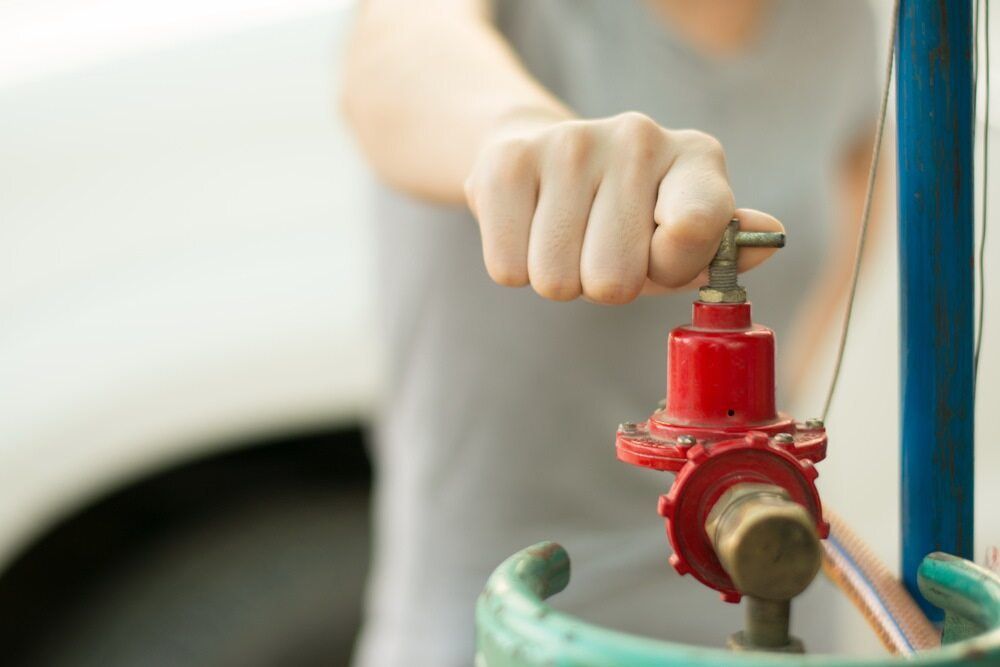
In most residential properties, gas pressure is controlled through regulators installed near the gas meter. These devices reduce incoming pressure from the main gas supply to a level suitable for household appliances.
A typical gas system includes:
- A main supply line entering the property
- A regulator that stabilises pressure
- Branch pipes leading to appliances such as cooktops or hot water systems
- Appliance valves that manage final flow levels
Over time, regulators may wear, pipe connections may loosen or appliances may be added to the system. Any of these changes can alter the pressure balance within the property.
This is why periodic gas pressure testing in Forster properties can help identify irregularities before they affect safety or performance.
Why Correct Gas Pressure Matters
Maintaining proper gas pressure helps appliances operate as intended. If the pressure is too low or too high, it can influence how efficiently appliances function and how safely they operate.
Correct pressure contributes to:
- Consistent heating performance
- Stable burner flames
- Predictable appliance behaviour
- Reduced strain on gas components
For households and businesses in Forster using multiple gas appliances, pressure balance plays an important role in daily operation.
Common Low Gas Pressure Symptoms
Low gas pressure is one of the most common causes of appliance performance problems.
When pressure drops below normal levels, appliances may not receive enough fuel to operate correctly.
Signs of low gas pressure may include:
- Weak or small burner flames on cooktops
- Slow heating from gas heaters
- Difficulty maintaining a pilot light
- Hot Water Systems taking longer to heat water
- Appliances shutting off unexpectedly
- Multiple appliances struggling when used at the same time
Low pressure can occur for several reasons, including regulator issues, pipe leaks or increased demand from additional appliances.
If these symptoms appear across more than one appliance, arranging gas pressure testing in Forster can help identify the underlying cause.
High Gas Pressure Risks
While low pressure affects performance, high gas pressure can create different concerns.
Excess pressure forces more gas through appliances than intended. This can affect burners and internal components.
Possible signs of high gas pressure include:
- Large or unusually strong flames
- Burners producing loud or unstable flames
- Appliances heating too quickly
- Increased gas consumption
High pressure can also place additional strain on regulators and appliance valves. Over time, this may contribute to premature wear or malfunction.
Because pressure changes can affect the entire system, identifying the cause often requires assessment by a licensed gas fitter in Forster.
Coastal Conditions and Gas Systems in Forster
Living near the coast offers many lifestyle benefits, but coastal environments can also influence home infrastructure.
Salt air and humidity can contribute to gradual wear on external components such as:
- Regulators
- Outdoor pipe fittings
- Protective coatings on metal components
While modern gas systems are designed to withstand outdoor conditions, regular inspection can help identify early signs of corrosion or deterioration.
For homes near the coastline, periodic gas safety inspection in Forster services can help confirm the system remains in suitable condition.
Appliances Most Affected by Pressure Changes
Gas pressure variations may affect different appliances in different ways.
Cooktops
Gas cooktops rely on stable flame control. Low pressure can produce weak flames, while high pressure can create large, unstable flames.
Gas Heaters
Heating appliances may struggle to produce consistent warmth when pressure fluctuates.
Hot Water Systems
Gas-powered hot water systems rely on stable fuel flow to maintain water temperature. Pressure imbalances can affect heating performance.
Commercial Kitchen Equipment
Restaurants and hospitality venues often use multiple gas appliances simultaneously. Pressure stability becomes particularly important in these environments.
Because each appliance has specific operating requirements, testing helps confirm the system is functioning within suitable ranges.
Why Only a Licensed Gas Fitter Should Test Gas Systems
Gas systems are tightly regulated due to safety considerations. Testing, adjustment and repair require knowledge of regulatory standards and system design.
A licensed gas fitter in Forster can:
- Measure supply pressure accurately
- Inspect regulators and pipe connections
- Identify leaks or pressure irregularities
- Assess appliance performance
- Provide recommendations based on test results
Working with a qualified professional also helps maintain compliance with safety requirements.
For homeowners seeking support from a trusted gas safety inspection in Forster, professional assessment provides clarity about system condition and performance.
When to Arrange Gas Pressure Testing
While some properties may operate without noticeable issues, there are situations where testing may be worthwhile.
Consider arranging testing if you notice:
- Changes in burner flame size
- Appliances heating more slowly than usual
- Pilot lights frequently going out
- Multiple appliances struggling during use
- Unexplained increases in gas consumption
Testing may also be useful when:
- Installing new gas appliances
- Renovating kitchens or heating systems
- Purchasing a property with existing gas infrastructure
- Conducting routine safety checks for rental properties
These situations can benefit from assessment by professional gas fitting services in Forster.
Maintaining Gas Appliances in Forster Homes
Regular maintenance helps gas appliances operate more reliably. While homeowners can perform basic visual checks, technical inspections require a licensed gas professional.
Simple steps that may help include:
- Keeping appliance areas clear and ventilated
- Monitoring flame appearance during use
- Arranging inspections if appliances behave differently than usual
- Scheduling periodic gas safety checks
These steps help support safe and reliable operation across the entire system.
Gas Fitting in Forster: Supporting Safe Gas Systems
Gas pressure plays a significant role in how household appliances perform. Whether powering cooktops, heaters or Hot Water Systems, maintaining correct pressure levels helps appliances operate consistently and safely.
If you’re experiencing symptoms such as weak flames, slow heating or unusual appliance behaviour, it may be worth discussing the situation with a licensed gas fitter in Forster. Pressure testing and system inspections can provide a clearer picture of what’s happening inside the gas system.
At Foreshore Plumbers, we assist local households and businesses with gas fitting services, including pressure testing, appliance installation, and system inspections. If you would like to learn more about professional gas fitting services in Forster, visit our website to explore our available services.