What Counts As A Plumbing Emergency? (And When To Call One In)
A burst water pipe, major leak or suspected gas leak can quickly threaten your property or safety. Knowing what is a plumbing emergency helps you decide when to act immediately and when a repair can wait for an appointment. Forster–Tuncurry homeowners and businesses can reduce damage by recognising warning signs and responding safely.
What Makes a Plumbing Problem Genuinely Urgent?
A plumbing issue is urgent when it presents a safety risk, releases substantial water or interrupts an essential service in circumstances where waiting could cause harm. The severity matters more than how inconvenient the problem feels.
For example, a tap dripping into a sink can generally wait. Water spreading across a kitchen floor, soaking walls or approaching electrical equipment needs prompt attention. A suspected gas leak also requires an immediate safety response, regardless of whether an appliance still works.
Look for warning signs such as:
- Water escaping faster than you can safely contain it
- New wet patches on ceilings, walls or flooring
- A sudden loss of water pressure alongside visible leakage
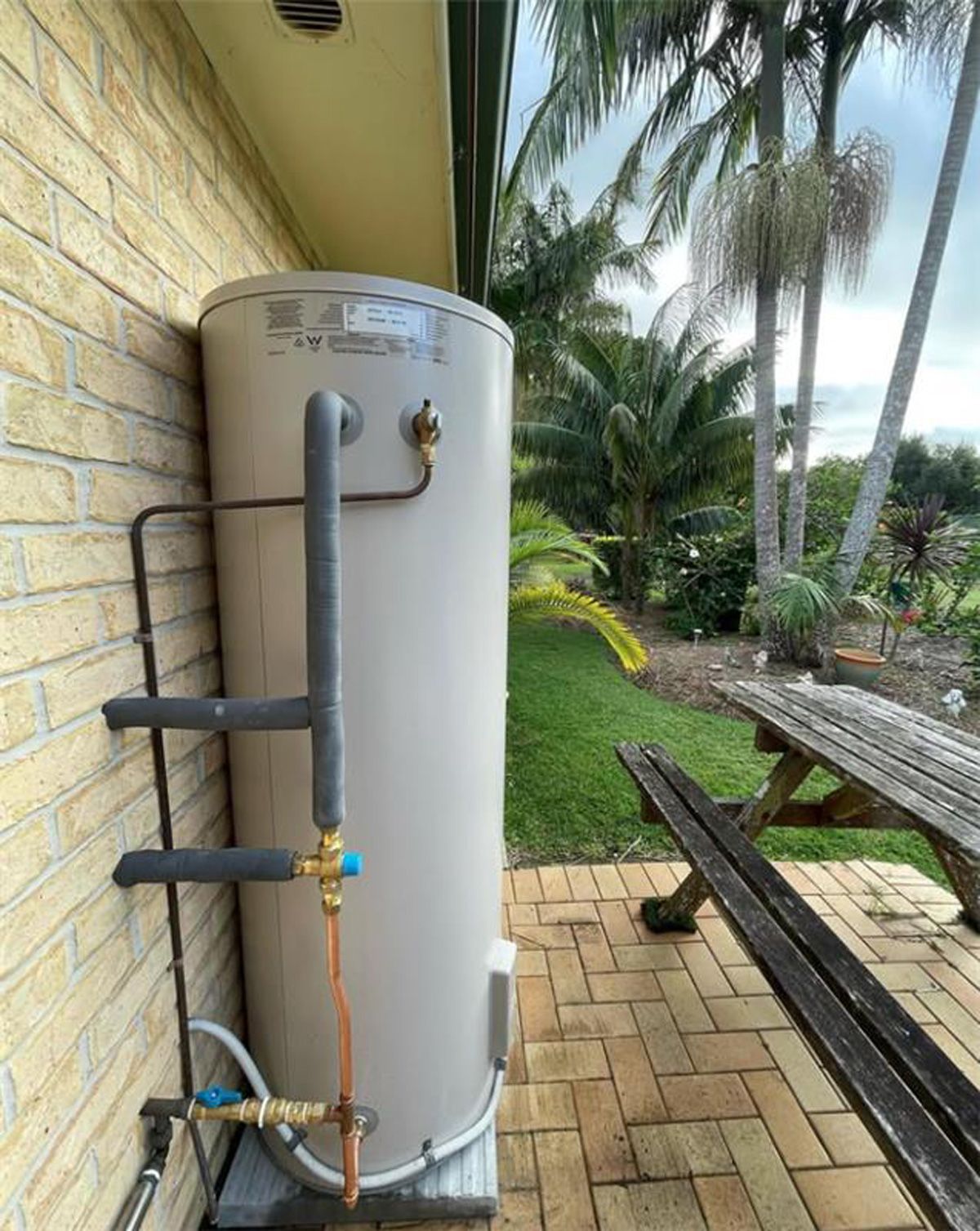
- Water leaking from a Hot Water System tank
- A gas smell near appliances or pipework
If you're uncertain, describe the symptoms to a licensed plumber during business hours. For an immediate danger outside those hours, seek appropriately available urgent assistance.
Burst Pipes and Major Leaks: Why You Need to Act Straight Away
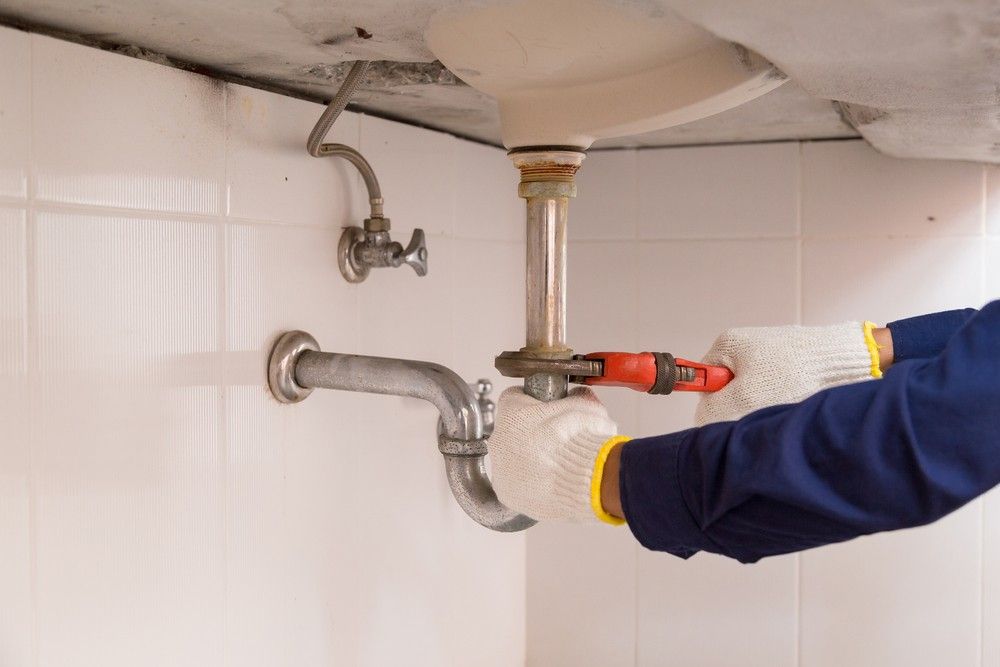
Burst pipes can damage floors, cabinetry, plasterboard and belongings. A burst pipe emergency calls for quick action because moisture can spread into concealed spaces even after the visible flow slows.
Imagine a supply line splitting behind a laundry appliance. Water may initially appear only beneath the machine, but it can travel under nearby flooring before anyone notices. The sooner you isolate the supply, the less water can escape.
Signs of a significant leak include water pooling rapidly, a ceiling developing a wet patch or an unexpected rushing-water sound when fixtures aren't being used. Sudden pressure changes can also indicate trouble, although they don't confirm a burst pipe by themselves.
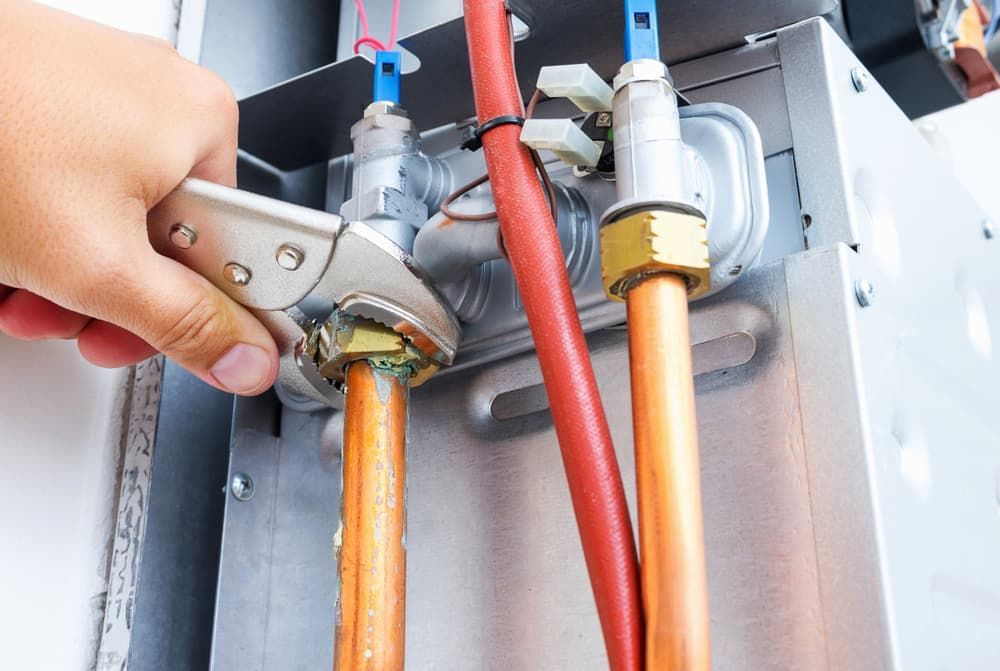
If it's safe, turn off the main water supply and keep people away from affected electrical areas. Don't remove wall panels or attempt repairs without the right expertise.
Smaller leaks deserve attention too. A persistent drip may gradually damage surfaces and fittings. Our article
The Cost Of Ignoring Plumbing Leaks explains why early repairs can help avoid larger problems.
When No Hot Water Becomes Urgent
Losing hot water is inconvenient, but a system that simply stops heating is not automatically an immediate safety issue. In many homes, an inspection can be booked during regular business hours.
The circumstances change when the fault affects essential care or creates another hazard. Faster attention may be appropriate when:
- A vulnerable household member relies on hot water for necessary daily care
- A leaking storage tank is damaging surrounding surfaces
- Water is escaping near electrical components
- You suspect a gas leak around a gas-powered unit
For example, a household caring for someone with additional hygiene needs may need a quicker resolution than one that can safely manage without hot water temporarily. A leaking tank presents a different concern because water damage can continue regardless of whether heating works.
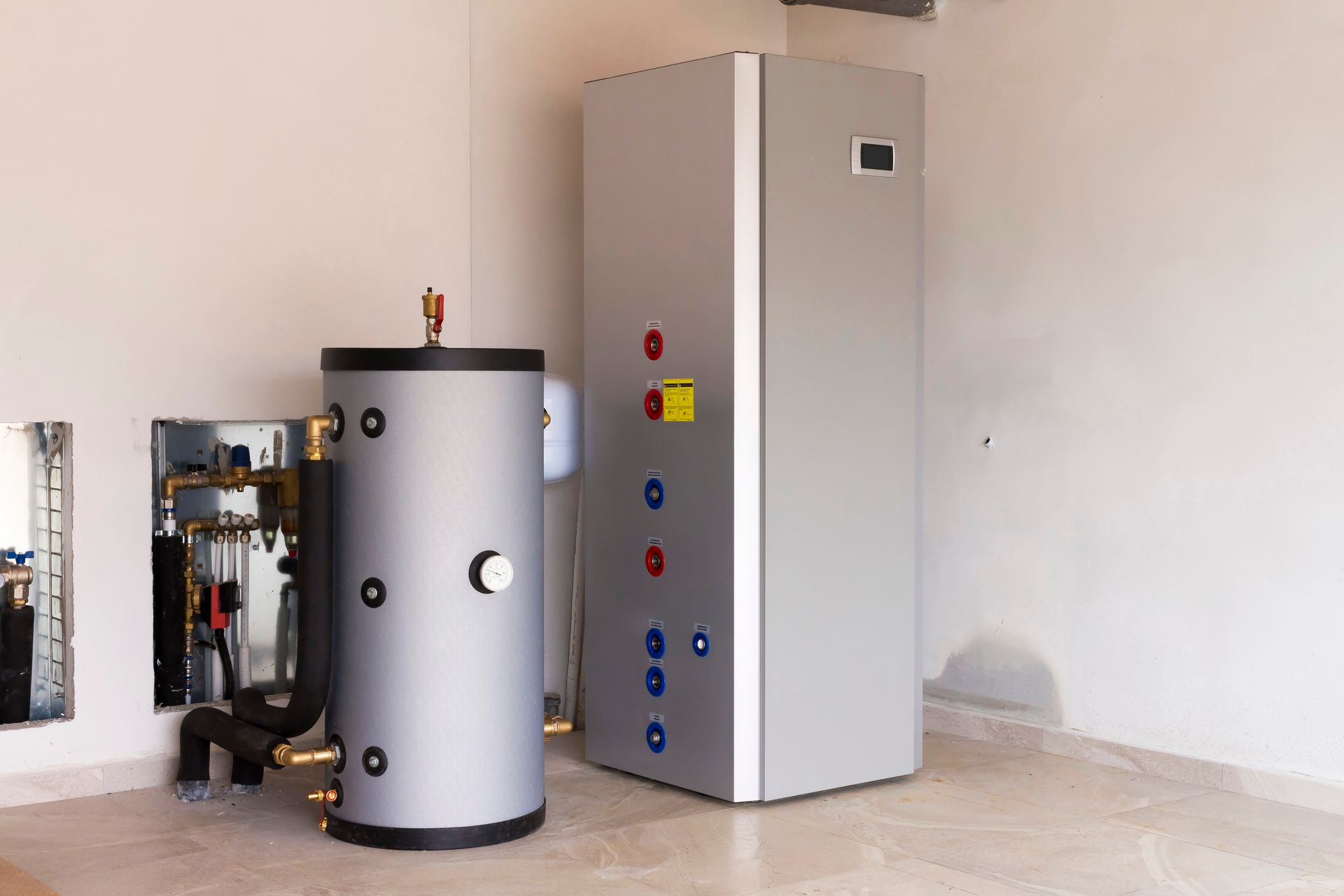
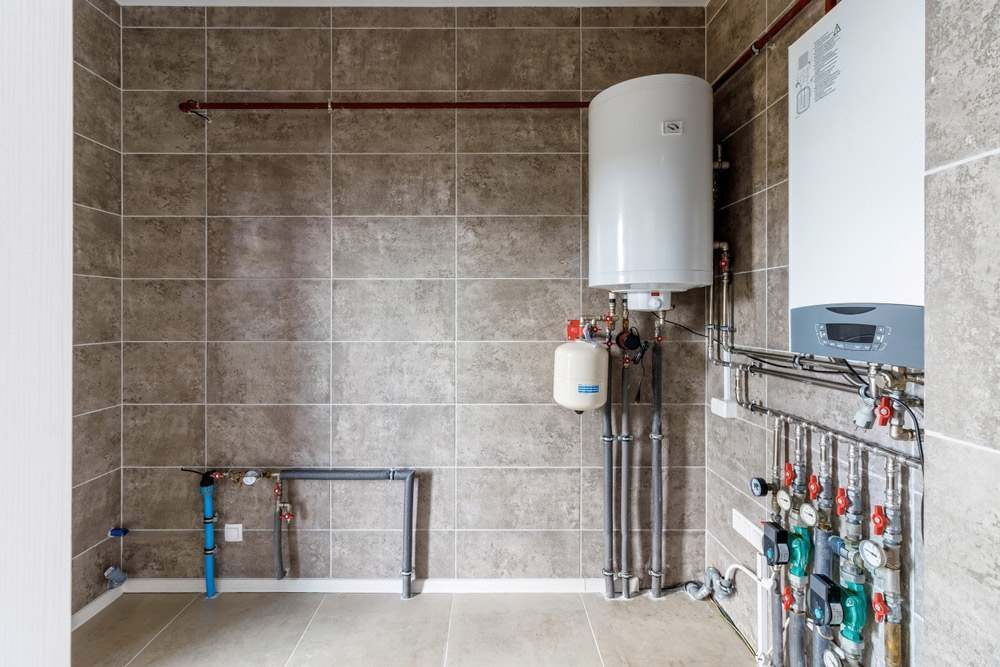
Foreshore Plumbers repairs and replaces electric, gas and solar Hot Water Systems. We can assess the unit and explain whether repair or replacement is suitable. Avoid opening panels or attempting electrical or gas repairs yourself.
Gas Smells Are Always Urgent
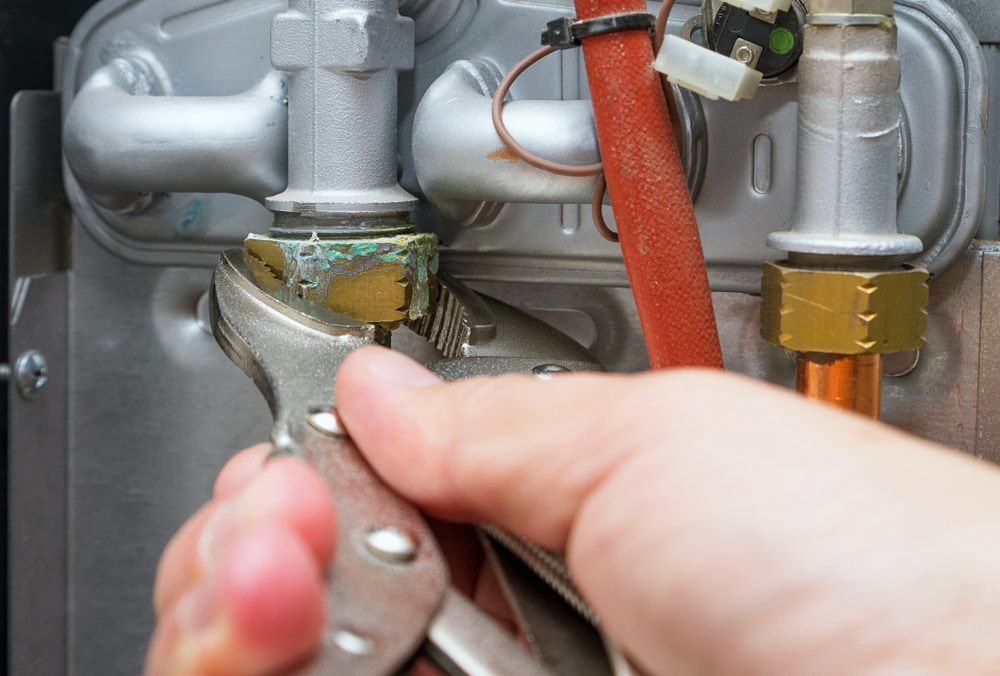
Treat any suspected gas leak as a serious safety concern. If you notice a gas smell, leave the affected area, avoid ignition sources and turn off the gas supply only if it's safe to do so. Do not operate switches or attempt to locate or fix the leak yourself.
Gas problems may involve appliances, connections or pipework. Some leaks are not obvious, so an absence of strong odour does not necessarily establish that equipment is safe.
Our guide on how to tell if you have a gas leak covers signs worth recognising. The priority is to move to safety and arrange appropriate urgent professional assistance, not wait for a routine appointment.
Foreshore Plumbers provides LP gasfitting services during advertised business hours. We don't recommend remaining in a potentially hazardous area while trying to contact us.
Problems That Can Safely Wait for a Booked Appointment
Many everyday plumbing faults can be assessed at a scheduled visit, provided they are stable, contained and present no immediate safety concern. Booking early still matters because minor issues can become more disruptive over time.
Common examples include:
- Dripping taps: A slow drip into a basin can generally wait if it isn't causing damage.
- Minor fitting leaks: A small leak may be manageable temporarily when the affected supply can be safely isolated.
- Gradually reduced pressure: A slow change without other warning signs can usually be investigated at an appointment.
- Inconsistent hot water: Reduced heating performance may be suitable for routine assessment if there is no leak, gas smell or other hazard.
- Worn fixtures: Ageing taps and fittings can often be repaired or replaced as planned maintenance.
Keep an eye on any change. A leak that starts spreading, a new ceiling stain or a sudden pressure drop may mean the situation needs reassessment. If you cannot confidently contain a problem, ask for advice rather than assuming it will remain minor.
What to Do While You Wait for a Plumber
Once you've identified a water-related problem, a few sensible precautions can help protect people and property while professional assistance is arranged.
1. Isolate the water where safe.
For a major leak, use the main shut-off valve if you can reach it safely. For a small fixture leak, an accessible local isolation valve may be sufficient.
2. Avoid electrical hazards.
Stay clear of wet power points, wiring and appliances. Do not touch electrical equipment in affected areas. Seek suitable professional help if water has reached electrical installations.
3. Protect nearby belongings.
If it's safe, move furniture, documents and portable electronics away from the water. Don't enter an electrically hazardous space to retrieve possessions.
4. Contain small leaks carefully.
A bucket or towels may help protect surfaces from a slow drip. These are temporary measures, not a substitute for repair.
5. Record visible damage.
Photographs and brief notes about when the problem began may help explain the issue to your plumber and support insurance enquiries.
6. Explain the symptoms clearly.
Tell the plumber where the leak is, whether the water is isolated and what damage you can see. Mention safety concerns without investigating them yourself.
These steps apply to water-related faults, not suspected gas leaks. If gas is involved, leave the area and follow the safety advice above.
Getting Help from Your Local Forster–Tuncurry Plumbers
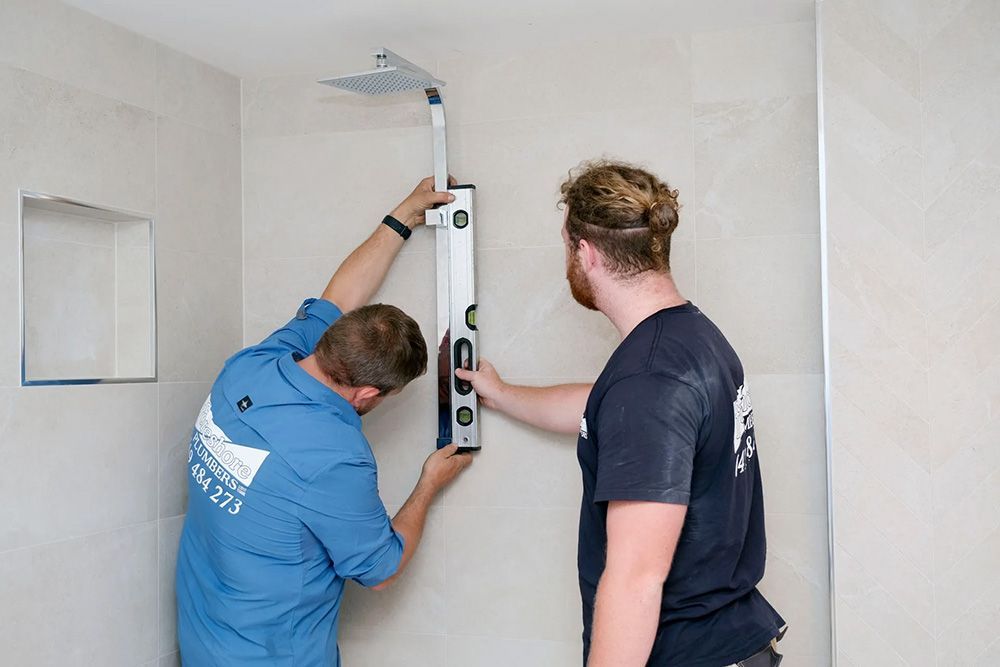
Foreshore Plumbers has serviced the Great Lakes area for over 40 years. Our licensed plumbers work with residential and commercial customers in Forster–Tuncurry and surrounding communities, helping with burst water lines, leaking taps, general plumbing repairs and Hot Water Systems.
We also provide LP gasfitting and repairs or replacement for electric, gas and solar Hot Water Systems. Whether a leak affects a family home or workplace, our team can discuss the symptoms and recommend an appropriate next step.
If you're looking for plumbers Forster property owners can contact, you'll find our service information on the Foreshore Plumbers homepage. We provide free quotes and aim to make the repair process clear.
Our advertised hours are Monday to Friday, 7:00am to 4:00pm, and Saturday, 7:00am to 12:00pm. We're closed Sunday. These are regular business hours, not a promise of emergency call-outs.
The key is to prioritise safety, stop escaping water where possible and arrange assessment according to the severity of the issue. If you have a concerning leak or need advice about repairs, contact Foreshore Plumbers promptly during business hours to discuss the problem and request a free quote.
FAQs
Can a small leak turn into a serious issue?
Yes. Even a slow leak can affect cabinetry or wall materials over time. Arrange a repair, and reassess promptly if the leak spreads or becomes difficult to contain.
Should I turn off the water before calling a plumber?
For a major leak, isolate the supply if you can do so safely. You don't need to approach a valve in a hazardous area. Explain what you've done when you call.
Does low water pressure always mean a burst pipe?
No. Pressure changes can have several causes. A sudden drop alongside wet patches or sounds of escaping water warrants prompt investigation.
Can I keep using a leaking Hot Water System?
Avoid using a leaking unit until it has been assessed, particularly if water is near electrical parts. Do not attempt to open or repair the equipment yourself.
What details should I give the plumber?
Share the location of the fault, when it began, whether the supply is isolated and any visible damage. Clear information helps the plumber assess the likely urgency.
What if the problem happens outside business hours?
Prioritise safety and isolate escaping water where safe. If there is an immediate hazard, seek an appropriately available urgent service rather than waiting for Foreshore Plumbers to reopen.